
You are here to understand the cost drivers behind underpinning in Melbourne and how they apply to your home.
We are Underpinning Melbourne, Structural Preservation Specialists. We protect homes from foundation failure with an engineering-first approach that prioritises safety, VBA-compliant certification and clear, fixed-price quotes.
Typical residential prices range widely. Methods such as resin injection, beam-and-base or mini-piles each suit different problems and access limits. We explain which method fits your property and why one path may be faster or less invasive than another.
Book a free, no-obligation structural assessment and get a transparent plan with engineering coordination. Email Chris: chris@underpinning-melbourne.com.au. Use our underpinning cost calculator to estimate your likely budget.
Key Takeaways
- Costs vary by method, soil and severity of foundation movement.
- Resin injection is often quicker and less disruptive for typical homes.
- We provide VBA-compliant reports, fixed-price quotes and insured work.
- Early inspection can limit damage and reduce future expense.
- Book a free assessment to get an accurate, property-specific plan.
What impacts the cost of underpinning in Melbourne right now
Clear insight into present repair drivers lets homeowners act before problems grow. We explain common price ranges and why timing matters.
Typical residential price ranges and timeframes
Across Australia many residential jobs fall between $3,000 and $15,000. The exact figure depends on method, access and severity.
Resin injection often finishes in a day on a typical house. Traditional methods can take days or weeks with staged excavations and more labour.
When a quick fix costs more later: acting before subsidence worsens
The process begins with an inspection that records current movement and likely causes. Minor movement can be stabilised sooner and more affordably than advanced settlement.
- Pricing reflects the scope required, not a flat rate for every home.
- Today’s market is shaped by labour, materials, access logistics and engineering inputs.
- Allowing problems to escalate expands the scope and increases overall costs.
We provide transparent fixed-price quotes after assessment. Free, no-obligation inspections are available. Email Chris: chris@underpinning-melbourne.com.au.
underpinning cost factors melbourne
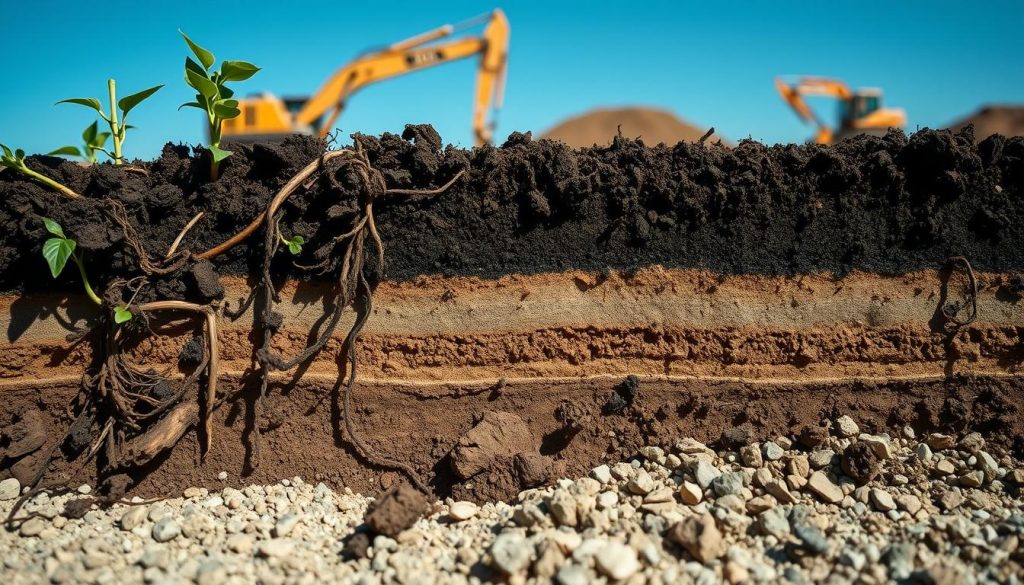
Identifying the scale of foundation movement sets the repair approach and timeline. We assess the severity and extent of foundation damage to define scope and safety needs.
Severity and root causes
Large, deep movement needs more work than minor settlement. Common causes include reactive soil shrink‑swell, tree roots, uncontrolled fill, leaks and poor drainage.
Soil, location and access
Soil conditions change across Greater Melbourne. Some belts are highly reactive; others are sandy. Access limits — tight side setbacks, heritage façades or interior works — affect the chosen method.
House particulars and compliance
House size, footing type and wall load paths shape the design. We coordinate engineering and VBA‑compliant certification so the work meets council and insurance rules.
- Severity and extent set baseline scope.
- Soil type and location influence method and time.
- Restricted access can increase labour and protection needs.
- We match method—resin, concrete, screw piles—to site conditions and finishes.
We report clearly on issues, extent of movement and the method that best addresses the property. For a detailed assessment see our service page. Email Chris: chris@underpinning-melbourne.com.au.
Comparing underpinning methods and their cost implications
Different repair types suit different soils and site limits; selection affects programme and price.
Mass concrete underpinning uses staged excavations beneath existing footings. It is a robust concrete underpinning solution. Indicative per‑metre figures are around $1,000–$3,000. This method adds excavation, spoil removal and reinstatement work.
Screw piling / piers is depth‑driven. Pricing depends on the required depth to good bearing and site access for equipment. It suits projects where a driven solution is faster and access allows machinery.
Resin injection (chemical) injects expanding resin to fill voids and improve bearing. It is often completed in a day for suitable homes. Resin reduces internal disruption and can lower programme length on many jobs.
Beam-and-base & mini‑piles suit complex sites. Beam‑and‑base spreads loads where soils vary or access is partial. Mini‑piles suit heavy loads or very difficult ground. Mini‑piled solutions can reach $10,000–$20,000 per pile depending on depth.
- Each method carries different programme, concrete and reinstatement needs.
- We weigh project risk, ground response and lifecycle value, not just initial price.
- We design engineering‑first solutions and never upsell unnecessary work.
| Method | Typical range | Best where | Disruption |
|---|---|---|---|
| Mass concrete | $1,000–$3,000 / m | Accessible footings, stable site | High (excavation & spoil) |
| Screw piling / piers | Depth dependent | When deep bearing needed and access allows | Moderate (machine access) |
| Resin injection | Lower labour, one‑day jobs often | Small settlements, voids under foundations | Low (minimal internal work) |
| Beam‑and‑base / Mini‑piles | $1,500–$3,500 / m or $10k–$20k / pile | Variable soils, heavy loads, tight sites | Moderate–High (special plant & reinstatement) |
We deliver council‑compliant methods with minimal disruption. Free fixed‑price quotes follow a site assessment. Email Chris: chris@underpinning-melbourne.com.au.
Melbourne-specific conditions that shift your quote
Local ground behaviour changes the practical options we recommend for your house. We apply local knowledge of geology, seasonal moisture and council expectations to make pragmatic choices.

Reactive clay belts vs sandy pockets: how soil drives method choice
Reactive clay belts expand and contract through the year. That movement often needs deeper or staged solutions to control subsidence.
Sandy pockets drain quickly. They may need a different stabilisation type to reach competent bearing. We choose a method based on mapped soil and site access.
Seasonal moisture, trees and services near footings
Large trees change local moisture and root patterns. Underground services limit machine access and may require alternative approaches.
We consider:
- soil conditions, drainage and footing type;
- tree roots and seasonal moisture swings;
- services that constrain plant and reinstatement.
The method we propose balances risk reduction, value and minimal disruption. Email Chris.
From inspection to fixed-price quote: the buyer’s journey
A site visit should make the repair pathway clear. We start with a thorough inspection and level survey. This gives factual evidence to guide the next steps.
Site assessment, levels, crack mapping and soil insight
Our process begins on your property. We map visible cracks, record level changes and check nearby soil and drainage.
That quick inspection shows whether resin or staged concrete methods suit your home. We note access limits and likely impacts on living areas.
Structural engineering reports and VBA-compliant methodology
Where required, our engineers prepare a VBA-compliant methodology. The report defines safe working loads, acceptance criteria and testing steps.
We coordinate engineers and council paperwork so you get a compliant pathway and paperwork for conveyancing or insurance records.
What a transparent scope of works should include
Your scope lists locations, chosen methods, acceptance criteria for foundations and reinstatement details.
- Clear description of works and contingency options.
- Estimated programme, noise and occupancy plans.
- Included engineering, permits and quality controls in the quote.
- Signature approval required before any work begins.
We offer free, no‑obligation structural assessments and full reporting. Email Chris: chris@underpinning-melbourne.com.au.
Budgeting, inclusions and what insurance may or may not cover
Knowing what a quote includes prevents surprises when work starts on your foundations. We provide transparent fixed-price quotes that list every essential line item. This helps you compare options and plan finance for the repair.

Line items to expect: labour, materials, access, reinstatement
Your quote should show labour rates, materials (concrete or resin), engineering fees and access equipment.
Allow for waste removal, testing and reinstatement of finishes. We never hide charges or upsell unnecessary work.
| Item | What it covers | Typical driver |
|---|---|---|
| Labour | On-site teams and supervision | Project size |
| Materials | Concrete, resin, fixings | Type of foundation |
| Access & plant | Equipment hire, protection | Site access |
| Reinstatement | Floors, paving and landscaping | Extent of excavation |
Insurance realities in Australia and when exceptions apply
Most home policies treat underpinning as preventive and exclude it. Some insurers will respond for declared events, such as earthquake or flood.
Keep all reports and photos. Those documents support claims where an insured event caused the foundation issues.
Ways to minimise costs without compromising safety
Act early. Minor movement often needs less work than advanced settlement. Choosing the right method for your site can reduce programme and disruption.
Resin methods often shorten timelines and lower labour and reinstatement needs where suitable. We right-size every project so you pay only for necessary work.
We align budgets with safety, compliance and long‑term performance. Free assessments and fixed-price quotes are available. Email Chris.
Why choose Underpinning Melbourne for value and certainty
We deliver engineered, long‑term solutions that protect your home and its value.
Structural Preservation Specialists: Our team gives calm, engineering‑first advice. We explain whether resin, screw piling or concrete underpinning is the right method for your site. Our approach prioritises safety and minimal disruption to your daily life.
VBA‑registered, insured and council‑compliant. Every job follows accepted methods and carries insurance and paperwork you can rely on. We coordinate engineers so the report and methodology meet conveyancing and insurer requirements.
Free inspection and fixed‑price quote: Book a no‑obligation site inspection or email photos today. We provide a clear quote that lists what is included and why. Honest assessments, no upsell.
- 20+ years’ experience in permanent, engineered outcomes for homes and buildings.
- We tailor the solution to your property, protecting finishes and access.
- Clear documentation, warranties and care guidance after work finishes.
Email Chris: chris@underpinning-melbourne.com.au.
Conclusion
Conclusion
Prompt assessment and a tailored repair plan protect your house and limit further foundation damage.
We assess walls, map cracks and set clear acceptance criteria. Then we recommend the best underpinning method for your site, whether resin or mass concrete. This keeps time on site and disruption lower when possible.
We offer a free, no‑obligation assessment and a fixed‑price quote. We also coordinate engineering reports and council paperwork to deliver a safe, compliant result for your property.
Act now to stop more damage. Email Chris. Or book an assessment.