
We explain a clear, safe plan so you can monitor a crack in your home with confidence. Our engineering-led team helps you separate cosmetic faults from genuine structural problems in Melbourne houses.
Start with simple observation and careful documentation. Mark endpoints lightly, date them and take square-on photos in good light. Note width, direction, temperature and humidity each time.
Check after heavy weather, daily if active, then monthly or every two months if steady. Widening is more serious than length. Horizontal breaks near door headers, windows and corners need attention.
Safety is our priority. If doors stick, floors slope or new gaps appear, stop DIY and call for an engineer. We are VBA registered, insured and offer free assessments. Call Chris: 1300 970 930 or Email Chris: chris@underpinning-melbourne.com.au.
Key Takeaways
- Begin with patient observation: mark, date and photograph each crack.
- Track width, direction and environmental notes with every check.
- Frequent checks after extreme weather, then space them out if stable.
- Horizontal movement and accompanying symptoms suggest structural concern.
- Our VBA-registered team offers free assessments and certified solutions.
Why crack movement matters in Melbourne homes
Not all surface faults threaten a building, but movement that widens needs attention. We prioritise homeowner safety and guide when simple checks are appropriate and when expert help is necessary.
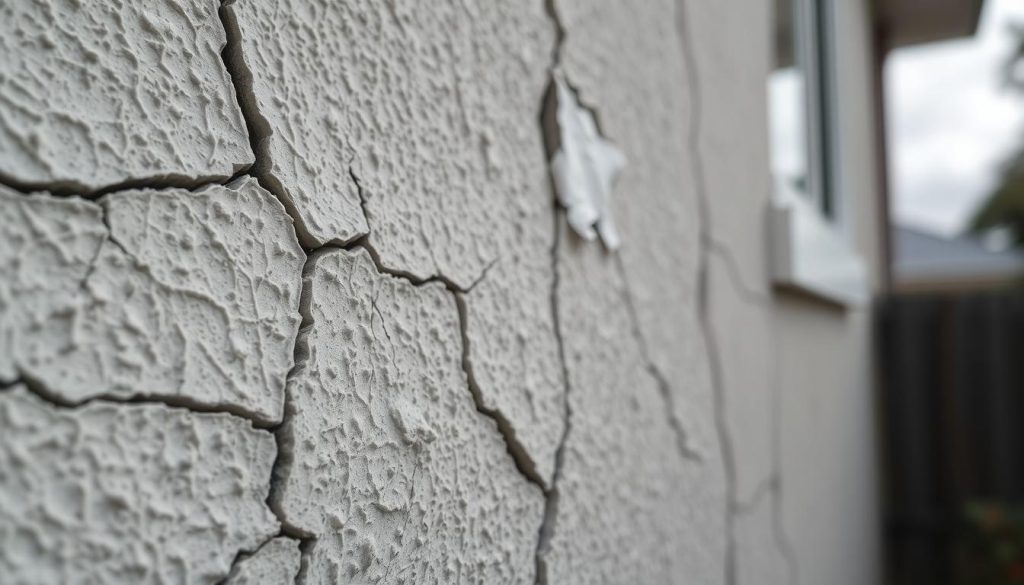
Safety first: when simple checks are suitable
DIY checks suit hairline cases with no rapid change and no safety risks. Check more often after heavy rain or heat, then space checks if the situation is steady.
Stop DIY if width increases, doors or windows stick, floors feel uneven, or services are nearby. At that point, call our VBA-registered engineers for a free assessment. Call Chris: 1300 970 930 or Email Chris: chris@underpinning-melbourne.com.au.
Common reasons behind movement
Melbourne soils swell and shrink with wet and dry cycles. Foundation settlement, moisture ingress, natural ageing and temperature shifts are frequent reasons for lines in plaster and concrete.
Watch location and direction. Horizontal lines near door heads, corners and upper storeys raise concern more than length alone.
Tools overview: simple through specialist
Start with pencil marks, tape and square-on photos. Step up to comparator cards, a crack gauge with a grid and crosshair, digital calipers or an optical comparator for precision.
For concrete depth, UPV is a specialist option. Learn more about our diagnostics via the wall crack diagnosis tool.
| Tool | Use | When to choose |
|---|---|---|
| Pencil/tape & photos | Baseline location, direction and simple width checks | Hairline, stable cases; quick checks over time |
| Crack gauge (grid & crosshair) | Reads direction and width change across either side | Visible change or unclear movement direction |
| Digital caliper / microscope | Precise width measurements on small pieces | Slow, minor movement where accuracy matters |
| UPV | Assess depth in concrete elements | Suspected deep concrete defects; specialist use |
How to monitor cracks step-by-step with simple and reliable methods
Make a simple, repeatable record at the outset so every later reading is comparable.
Mark and date endpoints
Mark each endpoint with a pencil and date it. Use clear tape if you prefer not to touch the paint. This gives a stable starting point for measurements.
Take square-on photos and set reminders
Photograph the area straight on in good light. Keep images in a dated folder and set calendar reminders for repeat checks. Consistent photos form reliable data over time.
Baseline width checks
Begin with a comparator card, then use a crack gauge or digital calipers for finer readings. These methods give baseline width and distance values for later comparison.
Tell‑tale gauges and demec studs
Fit a tell‑tale gauge with two plates fixed either side of the line. Read the grid and crosshair for X and Y movement. For precise one‑direction work, place adhesive demec studs and measure the distance between dimples with a caliper.
Advanced options
For very small change, consider a microscope, optical comparator or wireless data logger. These capture tiny movement at short intervals and suit concrete or plaster pieces that need extra accuracy.
We provide engineering-led steps you can follow safely. If you need help, we offer free site assessments, fixed-price quotes and coordination of structural reports. Call Chris: 1300 970 930 or Email Chris: chris@underpinning-melbourne.com.au. Learn about costs with our cost calculator.
Reading the signs: width, direction, location and rate of change
Clear, simple signs give the best guidance. The key is repeatable readings that show genuine change rather than cosmetic hairlines. Note the pattern and keep records that highlight what actually changes.
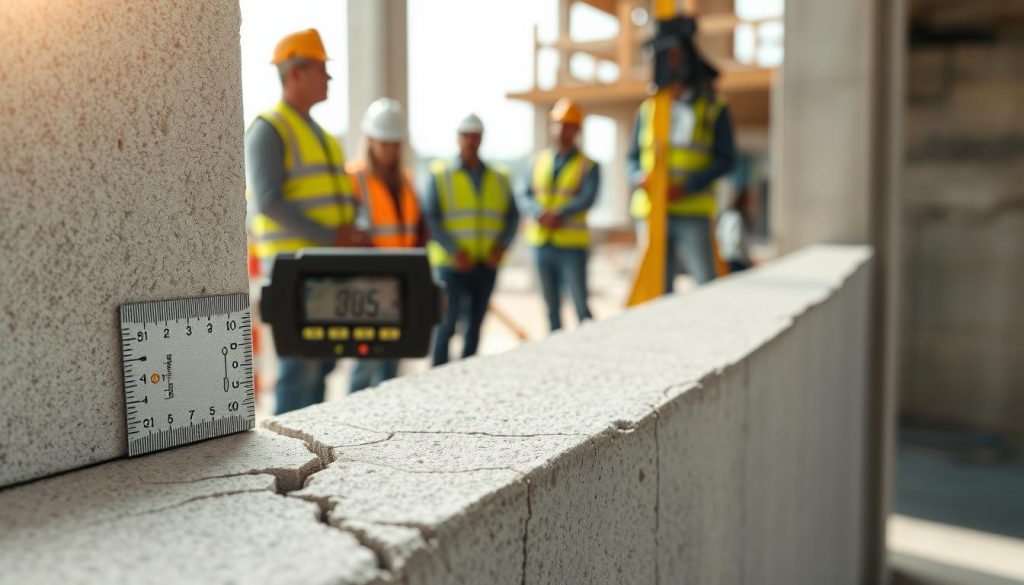
Width versus length
Focus first on width. A small increase in width is a stronger sign of structural risk than a long, stable line. Widening points to ongoing movement and added stress in the fabric of the building.
Direction matters
Record the direction each time you check. Vertical or diagonal lines often reflect shrinkage or settlement. Horizontal lines are more worrying and can indicate foundation or load‑bearing issues.
Locations to watch
Pay attention to door heads, window openings, corners, ceilings and second storeys. These locations tie into the main frame of the home and often reveal meaningful movement.
Context and seasonal factors
Include temperature and recent rain in your log. Seasonal swings can cause repeatable shifts. If you see sticking doors, uneven floors or branching patterns, increase checks and consider expert review.
If readings suggest risk, we provide VBA‑compliant advice and permanent foundation solutions with minimal disruption. Keep measurements steady and clear so any required repair is based on solid evidence of crack movement.
Recording data and knowing when to call an expert
Keep a clear log that tracks each observation and every change over time. A reliable record makes later decisions straightforward and defuses uncertainty for homeowners.

Build a simple log
Note date, exact location, width, direction and temperature or humidity each time. Attach a square-on photo and reference the gauge or measuring method used.
Measurement cadence
Check daily after storms or heatwaves for a short period. If readings stabilise, shift checks to monthly, then every six months.
When to get help
Call us if you see widening, rapid changes, new shapes that run through door heads, or if doors or floors stick or slope. Such signs suggest a foundation issue or more serious movement.
- Create one record per line: keep data orderly and consistent.
- Use consistent measurements: for demec studs, zero the caliper, take several readings and average the distance.
- Small elongation: silicone may suit cosmetic lines; widening needs an engineer.
- Core services: Concrete Underpinning, Restumping & Reblocking, Resin Injection, Screw Piling and Wall Crack Repairs.
We are VBA registered and insured. We offer free, no‑obligation structural assessments, fixed-price quotes and council-compliant methods with minimal disruption. Book a free assessment: Call Chris: 1300 970 930 or Email Chris: chris@underpinning-melbourne.com.au.
Conclusion
A reliable method makes it easy to spot real movement rather than cosmetic change. Use tell‑tale gauges and the millimetre grid for X and Y reads. For discrete either side crack checks, demec studs with adhesive give accurate distance readings on concrete and masonry.
Seasonal swings can cause minor hairline changes. Widening lines or new sticking doors and uneven floors point at foundation or other structural problems and need prompt review.
We protect Melbourne homes with engineered, permanent solutions and VBA‑compliant certification. Book a free assessment or get a fixed quote via book a free assessment. Call Chris: 1300 970 930 or Email Chris: chris@underpinning-melbourne.com.au.