

You need a clear assessment and practical solutions for foundation movement in Melbourne homes today.
We are Underpinning Melbourne — Structural Preservation Specialists. We calm worries and give clear, engineering‑led advice. Our team inspects your home, explains why walls crack and what fixes will protect value.
Reactive clay soils cause many issues. They swell in wet weather and shrink in drought. Early signs include diagonal cracking, gaps around windows and sticking doors.
Our approach is safety‑first and VBA‑compliant. We offer concrete underpinning, restumping, resin injection and screw piling. Most stabilisation works finish in hours or a day with minimal disruption.
Call Chris for a free, no‑obligation assessment and a transparent, fixed‑price quote. Call Chris: 1300 970 930 or Email Chris: chris@underpinning-melbourne.com.au.
Key Takeaways
- Get a same‑day assessment to understand risk at your home.
- We explain how local soils cause cracks and sticking openings.
- Our engineering‑led team gives clear, fixed plans with minimal disruption.
- Work is VBA‑compliant, council‑ready and focused on lasting safety.
- Free structural assessments and transparent quotes — no upsells.
Understanding foundation movement across Melbourne’s reactive soils
Understanding how local soil behaviour affects your home helps you act early and reduce repair costs.
Why homes move: reactive clay, moisture swings and local conditions
Melbourne’s clay expands when wet and shrinks in dry weather. That changes load paths in the ground under footings and can cause subsidence.
Tree roots, leaking pipes or heavy rain can speed the process. We assess these conditions and explain the likely cause.
Early warning signs: wall cracks, sticking doors, sloping floors and gaps
Look for diagonal or stepped cracks in brickwork, horizontal splits under window sills and small gaps at cornices. Cracks wider than 5 mm or multiple new cracks suggest active movement.
What happens if you wait: progressive cracking, distortion and higher repair costs
Left unchecked, cracks widen and walls distort. Doors stick, floors slope and repair bills rise.
- Act early: monitoring reduces long‑term damage.
- We diagnose under the ground using non‑invasive checks and an engineering checklist.
- For a quick cost guide, use our estimate costs tool.
foundation movement melbourne: causes, signs and when to act
Early signs often appear on walls, doors and floors before damage worsens.
Common causes include subsidence from clay shrinkage in drought, sudden swell after heavy rain and settlement on poorly compacted ground. Tree roots and leaking pipes can speed the process by changing local moisture levels around footings.
Watch for these clear signs: fresh or widening cracks, sloping floors and jammed doors or windows. Cracks wider than 5 mm or several new cracks across different rooms mean the problem may be active.
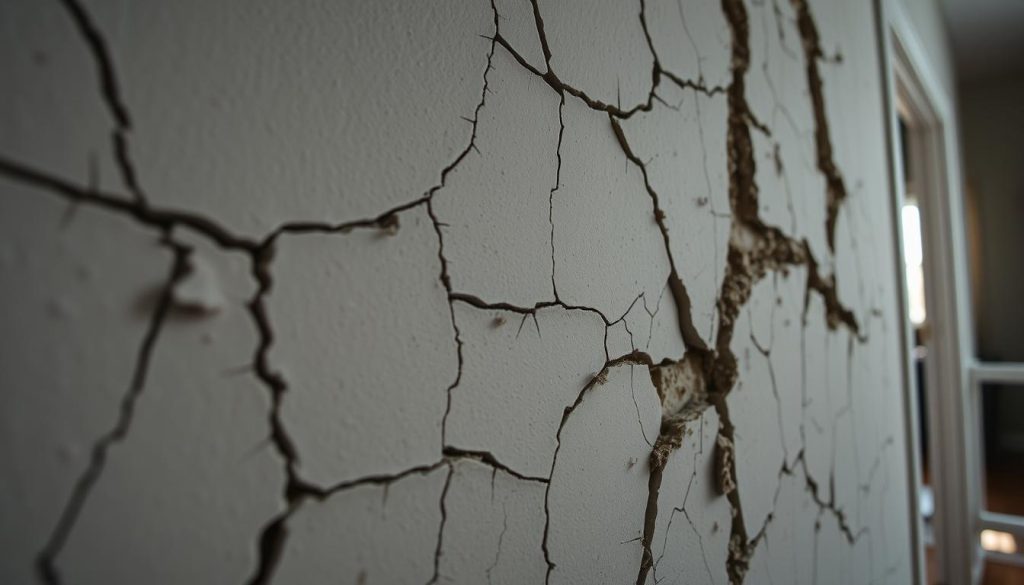

- Typical causes: subsidence from drought shrinkage, rain‑driven swell and washout of the soil beneath footings.
- Sticking doors and uneven floors often accompany active movement and differential support.
- Book an assessment today if you see multiple new cracks or sudden change after storms.
We confirm the signs, map affected areas and explain ground conditions in plain language. Our engineer then specifies options that fit your property and goals. You receive a fixed‑price scope with clear inclusions before any work begins.
Send photos for quick triage and try our wall crack diagnosis tool for a fast guide. Call Chris: 1300 970 930 or Email Chris: chris@underpinning-melbourne.com.au for a free, no‑obligation assessment.
Specialist solutions to stabilise, re‑level and protect your home
We deliver engineered solutions to stabilise your home quickly and with minimal disruption. Each option targets the cause, not just cosmetic repairs.
Concrete and traditional underpinning
Concrete underpinning transfers loads to deeper, sound strata. We use traditional underpinning where bearing must be moved below weak ground.
Resin injection for fast, non‑invasive repair
Resin injection is a rapid subsidence repair. It improves local ground and often re‑levels areas within hours with minimal disruption.
Restumping, screw piling and wall crack repairs
Restumping and reblocking restore support for older homes by replacing failed timber stumps. Screw piling gives deep capacity for soft sites or new extensions.
We repair walls only after stabilisation so cracks do not return. That way your wall finishes last longer.
Engineering reports and certified scopes
Our engineers prepare reports, drawings and council‑compliant scopes. You get a fixed quote that lists inclusions, access needs and clean‑up.
- We specify the right solution for your property and site ground conditions.
- Work is VBA‑registered, insured and planned to limit disruption.
- Most non‑invasive methods avoid demolition and leave sites clean.
| Service | Best for | Typical time | Disruption |
|---|---|---|---|
| Concrete underpinning | Deep bearing transfer or severe loss of support | 1–3 days | Moderate |
| Resin injection | Localised subsidence and re‑level needs | Hours | Minimal |
| Restumping & reblocking | Old timber stumps and uneven floors | 1–2 days | Low–moderate |
| Screw piling | Soft ground or new extensions | 1–2 days | Low |
If you need advice, contact us for a free, no‑obligation assessment and a clear, fixed quote.
Our calm, engineering‑led process from assessment to certification
From inspection to final certification, our process keeps disruption low and outcomes clear. We start with a free structural assessment and give you a transparent, fixed‑price quote.

Free, no‑obligation structural assessment and honest, fixed‑price quote
We visit, check your structure and explain findings in plain terms. You get a written scope and a clear price with no hidden extras.
On‑site works often completed in a day with minimal disruption, site left clean
Many jobs finish in a single day thanks to fast curing materials and efficient sequencing. Our crew completes the work, cleans the site and leaves areas ready for use.
VBA‑compliant documentation and engineering certification for council requirements
We prepare council‑ready reports, QA checks and level readings. You receive VBA‑compliant paperwork and certification at handover.
- Our team explains each step so you know what work comes next.
- We plan access to keep noise and dust low and to ensure minimal disruption.
- Safety plans and QA checks confirm performance at sign‑off.
- Aftercare guidance helps you maintain long‑term performance.
Call Chris: 1300 970 930 or Email Chris: chris@underpinning-melbourne.com.au to schedule your free assessment and fixed quote.
| Step | What we deliver | Typical time |
|---|---|---|
| Assessment & quote | Free inspection, scope and fixed price | Same day report |
| On‑site works | Fast cure options, clean handover | Hours to a day |
| Certification | Engineering report and VBA paperwork | Issued at handover |
Costs, value and timeframes compared to traditional methods
A clear view of price, time and disruption makes decision‑making easier for homeowners.
Pricing depends on your foundation type, local ground conditions, the lift required and the size and severity of the problem.
We explain cost drivers clearly and give a fixed quote before any work starts. That quote lists inclusions and allowances so you can compare options without surprises.
What influences cost
- Your foundation type and access needs affect labour and materials.
- Soil conditions and moisture history change the scope of ground works.
- The lift required and the area affected determine material volume and time on site.
- Severity of cracks guides monitoring and any staged repairs.
Faster, cost‑effective solutions with less disruption
Many non‑invasive options finish in hours or a single day. Fast curing materials mean treated areas are often usable immediately.
Compared traditional methods, these solutions reduce excavation, reinstatement and time on site. That means lower overall costs and less disruption to your home.
| Option | Best for | Typical time | Disruption |
|---|---|---|---|
| Resin injection | Localised subsidence | Hours | Minimal |
| Screw piling | Soft ground, extensions | 1–2 days | Low |
| Traditional underpinning | Deep transfer required | Days to weeks | Moderate–High |
Lifecycle value matters: stabilise first, then finish cosmetic repairs. We compare options in plain terms so you can decide with confidence. Request an itemised quote after assessment to lock in costs and timeframes.
Call Chris: 1300 970 930 or Email Chris: chris@underpinning-melbourne.com.au for a transparent, fixed price and clear plan of work.
Why choose Underpinning Melbourne: proven, insured and council‑compliant
We deliver insured, council‑ready solutions backed by over 20 years of practical know‑how.
Our team brings decades of experience across house types and older building stock. We are fully VBA Registered and insured.
Safety and clear communication guide our process. Crews arrive on time, explain the work and leave sites clean.

We tackle issues at their source, document each stage and provide council‑compliant reports and certifications. That means insurers and local authorities get the paperwork they need.
- Honest assessments with no upsells — if a repair is unnecessary, we will say so.
- Free structural assessments and fixed‑price quotes before any work starts.
- We stand behind repairs and give aftercare guidance to protect your structure and foundations.
Speak with our team for recent case studies relevant to your suburb and house type. Call Chris: 1300 970 930 or Email Chris: chris@underpinning-melbourne.com.au.
Prevention and care: protect your foundations year‑round
Small, regular steps can keep the soil beneath your footings steady and protect your house over time.
Start with simple checks. Keep gutters clear and direct roof water well away from walls. Fix leaking pipes quickly to avoid hidden erosion under floors.
Keep soils uniform: controlled watering, drainage checks and fixing leaks promptly
Use controlled watering in long dry spells so the surrounding soil stays even. Avoid sudden soakings followed by long dry periods.
Trim thirsty trees near footings and consider root barriers. Maintain downpipes and drains to stop local softening of soil.
Act on early signs: contact our team at the first hint of movement to reduce repair costs
Walk your home quarterly. Look for new gaps around windows, fine stair‑step cracks in walls or floors starting to slope.
Take dated photos to record small changes. Small trends over time often show problems before they worsen.
- Keep moisture steady: avoid extreme wet‑dry swings in the soil beneath.
- Fix leaks fast: plumbing faults can cause hidden voids and rapid damage.
- Monitor: record gaps, cracks and sloping floors to spot early signs.
| Action | Why it helps | When to do it |
|---|---|---|
| Controlled watering | Keeps soil uniform around footings | During prolonged dry periods |
| Gutter and drainage maintenance | Prevents local softening and erosion | Seasonal checks and after storms |
| Quarterly inspections & photos | Detects small changes early | Every three months |
If you see worrying signs, act today. Book an assessment and we will advise whether to monitor or intervene. Call Chris: 1300 970 930 or Email Chris: chris@underpinning-melbourne.com.au for quick guidance.
Conclusion
A prompt assessment turns uncertainty about subsidence into a clear, certified plan.
If you see fresh cracks, gaps or doors that stick, your home may be showing early signs of movement and subsidence.
We stabilise the structure first, then complete lasting repairs to walls and floors so issues do not return. Our calm, engineering‑led process gives VBA‑compliant certification and a clear, itemised quote.
Many jobs finish in hours or a single day, with minimal disruption to your routine and the site left clean.
Book a free assessment today via our free assessment. Call Chris: 1300 970 930 or Email Chris: chris@underpinning-melbourne.com.au.