

If you are comparing deep and shallow strengthening options for your home, this page answers that need clearly and quickly.
We are Underpinning Melbourne, Structural Preservation Specialists. We save Melbourne homes from foundation failure with a calm, engineering-first approach.
Which method suits your site depends on soil type, depth to firm strata, load and access constraints. Piling transfers load to deeper, stable layers. Traditional concrete underpinning works in shallower ground and often requires staged excavation.
We explain practical differences in methods, likely disruption, noise and vibration, and expected costs. We set realistic timelines and compliance steps under AS 2159 and related standards.
Call Chris: 1300 970 930 or Email Chris: chris@underpinning-melbourne.com.au
Key Takeaways
- We compare deep and shallow solutions for your foundation and ground conditions.
- Piling suits sites needing transfer to firm strata; concrete underpinning suits shallower issues.
- We discuss disruption, noise, vibration and council compliance.
- Our focus is permanent structural stability, safety and VBA-compliant certification.
- Free structural assessments and fixed-price quotes help you decide with confidence.
What homeowners mean when they search “underpinning vs piling melbourne”
Searching this phrase usually means you suspect foundation trouble and want practical, local answers fast. You may be seeing wall cracks, sticking doors, or uneven floors. These are common signs of ground movement or subsidence.
Early intervention gives more repair methods and often reduces cost and disruption. The right choice depends on soil types and soil conditions, depth to firm ground, structural load and site access.
- You want to know which option actually fixes your foundation with minimal fuss.
- You need unbiased advice and a fast engineering assessment.
- You want a clear price, low disruption and VBA-compliant certification.
We offer free assessments and fixed-price quotes, and we recommend appropriate underpinning methods only after engineering analysis. Call Chris: 1300 970 930 or Email Chris: chris@underpinning-melbourne.com.au to book or send photos.
Melbourne soil conditions that drive foundation choices
Local soil types and water levels determine how your home responds to seasonal change. We assess the ground beneath your building before recommending any foundation solution.
Reactive clay, seasonal moisture and differential movement
Reactive clay in many suburbs shrinks in dry months and swells when wet. This seasonal change causes differential movement and leads to cracking, stuck doors and uneven floors.
Sandy or loose fill near bayside and reclaimed areas
Bayside and reclaimed areas often have sandy or loose fill close to the surface. Loose fill can settle or erode, so options such as grouting or deeper load transfer may be needed for long-term stability.
Poor soil conditions, depth to firm strata, and groundwater
Depth to firm strata and the local water table are key factors. Groundwater and deep soft layers limit shallow fixes and influence whether deeper foundations suit the site.
- Reactive clay causes seasonal heave and settlement.
- Differential movement creates typical masonry and slab cracks.
- Loose fill near bays reduces bearing capacity and may need grouting.
- Poor soil conditions can change across short distances in the city.
- We document soil, levels and services to support council and VBA approvals.
We tailor designs to the site, not quick fixes. For an indicative cost based on site factors, use our underpinning cost calculator or Call Chris: 1300 970 930 or Email Chris: chris@underpinning-melbourne.com.au.
What is underpinning? Strengthening existing foundations
Strengthening an existing foundation restores safety and stops further settlement. We assess the cause, then recommend the best repair type for your site, soil and building weight. Our work includes engineering reports and VBA-compliant certification.


Mass concrete underpinning for subsidence and shallow footings
Mass concrete underpinning uses staged pits dug beneath existing footings. We pour mass concrete in sequences until the footing bears on firm ground.
This method suits older buildings with shallow footings and larger load issues. It is durable but can be excavation-heavy and more disruptive. Careful sequencing keeps the building safe during works.
Resin and grout injection to densify ground with minimal disruption
Resin or permeation grouting injects expanding polyurethane or microfine cement into the soil. The injection fills voids and densifies the ground with little excavation.
This option suits minor movement or tight sites. It can improve bearing, lift local levels and reduce on-site time. We select the best method after soil tests and structural assessment.
- Underpinning strengthens existing foundations to stop settlement.
- Mass concrete underpinning suits subsidence and shallow footings.
- It requires staged excavations and careful sequencing for safety.
- The process increases footing bearing and transfers load to firm ground.
- Resin or grout injection densifies soil with minimal excavation.
- It fills voids, improves bearing and can lift localised levels.
- Resin suits minor movement and accessible injection points.
- Mass concrete addresses larger issues but causes more site disruption.
- We select types based on assessment, soil and structure weight.
- We manage the entire process and certify the finished work.
Want a clear comparison to help decide? Use our restumping vs underpinning tool or call Chris: 1300 970 930 or Email Chris: chris@underpinning-melbourne.com.au.
What is piling? Deep foundations to transfer load to stable strata
When near-surface soils cannot bear weight, deeper foundations provide the required long-term support.
We install systems that transfer the building’s load to stable layers. Works may use driven concrete or steel elements, or CFA drilling that places concrete as the auger withdraws.
Driven and CFA options for heavy loads
Driven piles reach reliable bearing with impact or vibration. CFA (continuous flight auger) piles place concrete during drilling to control spoil and maintain integrity.
Steel screw piles and bored piers
Steel screw piles twist helical blades into the ground. They are fast and low vibration for tight sites.
Bored piers (drilled shafts) use reinforcement and concrete. They suit residential projects where noise and vibration must stay low.
- Deep systems suit heavy weight or deep soft strata.
- We choose the type based on load, depth and soil behaviour.
- Projects may prefer bored piers for control and neighbour impact.
- We design to AS 2159 and coordinate inspections and testing.
We install Screw Piling for remedial works where appropriate and manage engineering, tests and compliance. Call Chris: 1300 970 930 or Email Chris: chris@underpinning-melbourne.com.au.
Underpinning vs piling: key differences that matter in Melbourne
Our comparison focuses on the practical factors that shape a safe, council‑compliant repair. We weigh site access, soil conditions and the building’s needs. This helps you choose a solution with minimal movement and lasting stability.
Installation method and site set-up
Some repairs need pits and staged excavation; others use drilled or driven elements. Mass concrete underpinning requires careful sequencing and space for excavation. Injection systems use small rigs and less space.
Vibration, noise and impact on neighbouring homes
Driven components generate higher vibration and noise. That can affect nearby properties. Drilled piers, screw anchors and resin injection reduce movement and suit tight urban blocks.
Depth, load capacity and building type
Deep systems handle heavy loads and reach firm strata. Shallow repairs strengthen existing footings and suit older buildings with accessible foundations.
Cost, scale and program implications
Cost depends on equipment, access and excavation needs. Tight access or complex services raises time on site and affects the project programme. We document the preferred method for approvals and aim to limit disruption.
- Key point: One method does not suit all soil conditions or building types.
- We assess, recommend and certify with engineering-first clarity.
Call Chris: 1300 970 930 or Email Chris: chris@underpinning-melbourne.com.au
Underpinning methods compared
Choose a repair that balances permanence, cost and site disruption—this section explains the options.
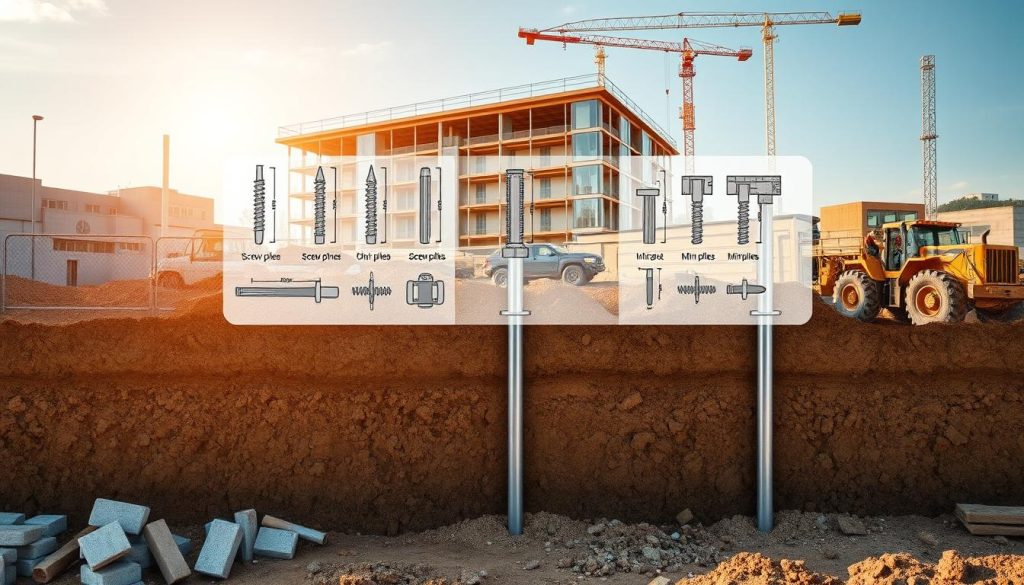
Mass concrete pit method: pros and cons
Mass concrete underpinning is proven and durable. It suits significant subsidence and increases bearing under existing footings.
Pros: long‑term permanence, custom pit sequencing and strong load capacity. Cons: excavation‑heavy work, longer programme and temporary site impact.
Resin injection and permeation grouting
Resin injection is low disruption and fast when movement is minor and soils accept injection. Permeation grouting binds sandy soils with microfine cement.
Use this method for voids, minor settlement or tight access where invasive excavation is unsuitable.
Screw piles and mini‑piled options
Screw piles and mini‑piles transfer load to deeper, firm layers with minimal headroom. Steel shafts and bored mini‑piles suit tight inner‑suburban sites.
They cost more per unit but reduce neighbour impact and save time where excavation is impractical.
- We compare each type against soil response, load and disruption.
- We recommend the least disruptive option that still meets safety and certification.
For site advice and a fixed quote see our services or Call Chris: 1300 970 930 or Email Chris: chris@underpinning-melbourne.com.au.
When to choose underpinning, piling or bored piers for homes
Different ground conditions and available space often decide whether a shallow or deep fix suits your home. We tailor residential solutions and coordinate with engineers and builders for approvals.
Residential versus commercial and infrastructure foundations
For homes, low‑vibration, low‑noise methods work best. Bored piers and staged mass repairs suit most houses because they are customisable and neighbour‑friendly.
Large commercial or infrastructure projects often need driven or CFA piles to carry heavy loads. Those projects accept higher noise and larger plant due to scale and depth requirements.
Access, space and tight inner‑suburban sites
Tight access shapes machine selection and methods. When space is limited, we choose drilled piers, screw anchors or staged pit work to reduce disruption.
Soil reactivity, depth to firm strata and poor soil conditions determine whether you need shallow strengthening or deep transfer systems. We confirm conditions with geotechnical and engineering input before quoting.
- Homes: prefer low noise and vibration.
- Bored piers or staged methods suit most residential projects.
- Large projects may require driven or CFA solutions.
- Depth to firm strata drives the choice between piers and piles.
- Poor soil near the surface often favours deep transfer systems.
- Limited space affects plant and programme selection.
- We manage neighbours, services and staging for safety.
- We provide clear scopes for council and insurer acceptance.
Free assessment available. Call Chris: 1300 970 930 or Email Chris: chris@underpinning-melbourne.com.au.
Cost, timelines and disruption homeowners should expect
Knowing likely costs and how long work will take helps you plan with confidence.
We start with a full site assessment and service locate. This informs a fixed-price quote and practical staging. We explain the process, day by day, so you know what to expect.
Access constraints, services and staging around your home
Restricted access changes costs and the plant we bring. Tight blocks may need smaller machines and more labour. That increases time on site and disposal costs.
We locate underground services first. This avoids delays and reduces the risk of damage to pipes and cables.
Time on site: low-disruption vs excavation-heavy processes
Low-disruption options like resin injection and screw anchors reduce time and neighbour disturbance. They suit minor movement and tight access.
Mass concrete and large excavation are proven but take longer. Landscaping and temporary fences will add to the programme.
Certification, AS 2159 design and VBA-compliant sign-off
Deep systems are designed to AS 2159. Our engineers prepare reports and site tests. We manage council liaison and provide VBA-compliant sign-off on completion.
We provide fixed-price quotes after assessment and keep you informed about noisy windows and key milestones.
| Factor | Typical impact | What we do |
|---|---|---|
| Access | Affects plant choice and labour; can raise cost | Survey access, propose low‑impact options, confirm price |
| Method | Resin/screw = short time; mass concrete = longer work | Recommend based on soil and building loads |
| Services | Unmarked services cause delays and extra cost | Locate services, coordinate with utilities before work |
| Certification | Required for council and VBA acceptance | Engineer reports, tests, and VBA sign-off included |
- Costs vary with scope, access and selected process.
- Excavation-heavy work takes longer and affects landscaping.
- We plan staging to keep your home safe and functional.
- Our engineers certify works and explain any impact on cracks, ground and structure.
Call Chris: 1300 970 930 or Email Chris: chris@underpinning-melbourne.com.au for a free assessment and a fixed quote.
Foundation warning signs: do you need assessment now?
Not every crack means collapse, but patterns of movement deserve prompt attention to prevent escalation. Early action broadens repair options and reduces cost and disruption.

Wall crack patterns, sticking doors and uneven floors
Stepped or diagonal cracks through brickwork warn of differential movement in the ground beneath your home. Jammed doors and windows point to frame distortion from shifting footings.
Sloping floors or a change in level often show footing movement or slab rotation. New cracks after heavy rain can indicate reactive clay or soft soil affecting the foundation.
- Look for diagonal or stepped cracks through masonry walls.
- Doors or windows sticking can indicate frame distortion.
- Floors out of level suggest footing movement or slab rotation.
- Gaps at cornices or skirting can show progressive settlement.
- Repaired cracks reopening indicate ongoing ground movement.
- Do not ignore plumbing leaks that soften bearing soil.
- Record crack widths and changes over time for assessment.
Early assessment provides more repair options and lower costs. We diagnose root causes and plan durable repairs. Call Chris: 1300 970 930 or Email Chris: chris@underpinning-melbourne.com.au for a free, no‑obligation assessment.
How we assess: engineering-first, council-compliant solutions
Our first priority is pinpointing what the ground and structure are doing, not selling a quick fix. We use a clear, staged assessment so you get honest options and a reliable outcome.
Soil, depth and load assessment to diagnose root causes
We start with a site inspection and level survey. Then we review soil type, depth to competent strata and estimated load paths for your foundation.
We consider other factors too, such as nearby services, drainage and trees. This identifies the ground mechanism causing movement or cracks.
Structural engineering reports and coordinated approvals
Our engineers prepare reports and calculations for council and VBA approvals. Deep systems are documented to AS 2159 where required.
We coordinate geotechnical input when soils are complex and include testing to support design and certification.
Honest scopes that avoid unnecessary upsells
We recommend the method and type that match site risks and your goals. Our scopes aim to minimise excavation and avoid work you do not need.
- Thorough inspection and level survey
- Review of soil, depth and load paths
- Assessment of services, drainage and nearby trees
- Engineer reports, geotech coordination and approvals
- Clear scopes and costed options so you choose with confidence
Why choose Underpinning Melbourne for structural preservation
Choose a team that treats foundation work as both an engineering task and a promise to protect your home.
We are fully VBA Registered, insured and bring 20+ years’ experience. Our mission is clear: protect Melbourne homes from foundation failure with council‑compliant methods and honest advice.
Our mission, experience and registration
We combine engineering rigour with a caring approach. That means clear reports, tested designs and certification you can trust.
Bored piers and low‑vibration systems suit inner suburban areas. Traditional pit methods still work well for older houses with shallow footings, though they need more time on site.
Free assessments, fixed quotes and minimal disruption
We offer a free, no‑obligation assessment and a fixed-price project plan. Our scopes avoid unnecessary work and focus on permanent repairs that restore structural strength.
- Our mission is to protect homes from foundation failure.
- We combine care with engineering rigour and clear communication.
- We are fully VBA Registered and insured for your protection.
- We coordinate engineering and certification end to end.
- We prioritise minimal disruption and tidy, safe work sites.
- Book a free assessment today for a fixed-price project plan.
Call Chris: 1300 970 930 or Email Chris: chris@underpinning-melbourne.com.au
Conclusion
The best repair protects your home long-term by pairing the correct method with firm engineering. We match soil data, load and access to a clear plan that meets AS 2159 and VBA requirements.
Concrete options, including mass concrete and concrete underpinning, stabilise existing footings. Deep systems such as bored piers or piles carry load to firm layers where near-surface soil is weak.
We balance cost, time and neighbour impact. Resin or grout injections can speed the process and reduce disruption on tight sites.
Get independent, engineering-first advice and a certified outcome. For a free assessment and a fixed-price quote: Call Chris: 1300 970 930 or Email Chris.